Our Lady of Mount Carmel: History, Meaning, and Why It Is Celebrated on July 16

The Virgin of Mount Carmel is one of the most beloved and venerated Marian devotions among Catholics around the world. Every July 16, parishes, brotherhoods, and religious communities celebrate her feast day, honoring Mary as a mother, protector, and spiritual guide. Devotion to Our Lady of Mount Carmel has endured for centuries and continues to be one of the most important expressions of Marian devotion within the Church.

The History of Our Lady of Mount Carmel: A Devotion Born More Than 800 Years Ago

The history of the Virgin of Mount Carmel begins in a very special place: Mount Carmel, a mountain range located in the Holy Land, in present-day Israel. Since biblical times, this mountain has been considered a place of encounter with God and is closely associated with the Prophet Elijah, who defended the faith of the people of Israel during times of great difficulty.

Around the 12th century, a group of Christians chose to live as hermits on the slopes of Mount Carmel. They sought a simple life devoted to prayer, silence, and contemplation. These men built a small chapel dedicated to the Virgin Mary and chose her as their protector and spiritual mother.

Over time, that community became the Order of Carmelites, a religious family that spread devotion to Our Lady of Mount Carmel throughout the world. However, the early years were not easy. Wars and conflicts in the region forced many Carmelites to leave the Holy Land and move to Europe.

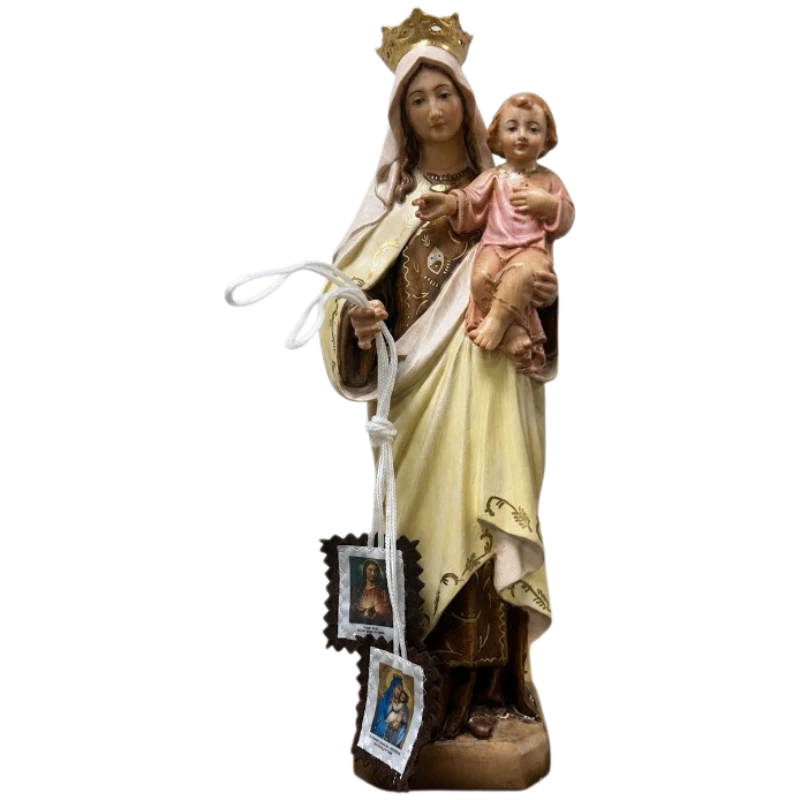
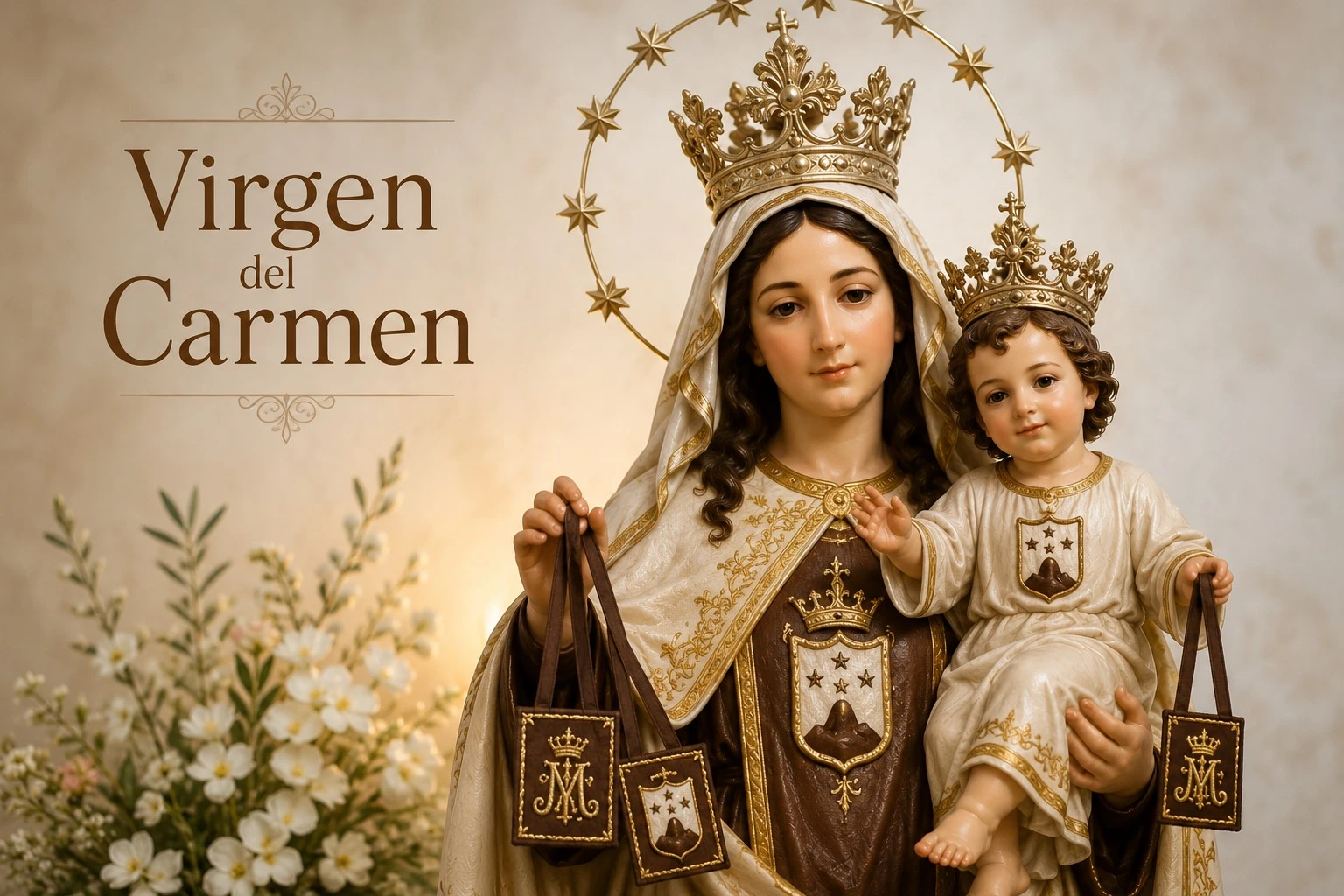
It was during those uncertain times that one of the most significant events in this devotion took place. According to Carmelite tradition, on July 16, 1251, the Virgin Mary appeared to Saint Simon Stock, the Superior of the Order in England. During this apparition, the Virgin presented him with the Brown Scapular of Mount Carmel, a small sign of protection and dedication to Mary that has since become one of the most recognized sacramentals of the Catholic Church.

News of this apparition spread rapidly, and devotion to Our Lady of Mount Carmel began to grow throughout Europe. Over the centuries, millions of faithful have found in her a loving mother, a protector in difficult times, and an example of complete trust in God.

Today, the Virgin of Mount Carmel is venerated in numerous countries and cities around the world. Her feast day, celebrated every July 16, brings together thousands of people in processions, liturgical celebrations, and acts of faith that keep alive a tradition with more than eight centuries of history.

Her message remains the same as the one that inspired those first hermits of Mount Carmel: to live with trust, hope, and love under the maternal protection of the Virgin Mary.

What Is the Brown Scapular of Our Lady of Mount Carmel and What Does It Mean?

If there is one symbol closely linked to devotion to the Virgin of Mount Carmel, it is undoubtedly the Brown Scapular of Mount Carmel. Millions of faithful around the world wear it as a sign of their love for the Virgin Mary and as an expression of their desire to live the Christian faith by following her example.

Carmelite tradition recounts that on July 16, 1251, the Virgin Mary appeared to Saint Simon Stock, Prior General of the Carmelite Order, presenting him with the scapular and promising her special protection to those who would wear it with faith and devotion.

Originally, the scapular was part of the habit worn by Carmelite religious. Over time, a smaller version was developed for the laity, consisting of two small pieces of cloth connected by cords and worn over the shoulders. Its name comes from the Latin word scapula, meaning “shoulders.”

However, the scapular should not be understood as a charm or a good-luck object. Its true meaning is far deeper. It represents trust in the maternal protection of the Virgin Mary and a commitment to live a Christian life rooted in prayer, faith, and the teachings of Jesus Christ.

Those who wear the Brown Scapular publicly express their spiritual belonging to the great Carmelite family and their desire to walk with Mary in following Christ. It is a sign of consecration, trust, and closeness to the Mother of God.

For this reason, the scapular remains one of the most widespread and cherished sacramentals within the Catholic Church. Through it, generations of Christians have found comfort, hope, and spiritual strength, keeping alive a devotion that continues to grow more than seven centuries after its origin.

Today, during the feast of the Virgin of Mount Carmel on every July 16, thousands of faithful renew their devotion by wearing the scapular as a symbol of faith and trust in Mary's protection, remembering that she continues to accompany her children on their journey toward Christ.

Our Lady of Mount Carmel, Patroness of Sailors

The Virgin of Mount Carmel is recognized as the patroness of sailors and all people of the sea. For centuries, fishermen, seafarers, and coastal communities have entrusted their lives and voyages to the protection of Our Lady of Mount Carmel, considering her a reliable guide through difficulties and storms.

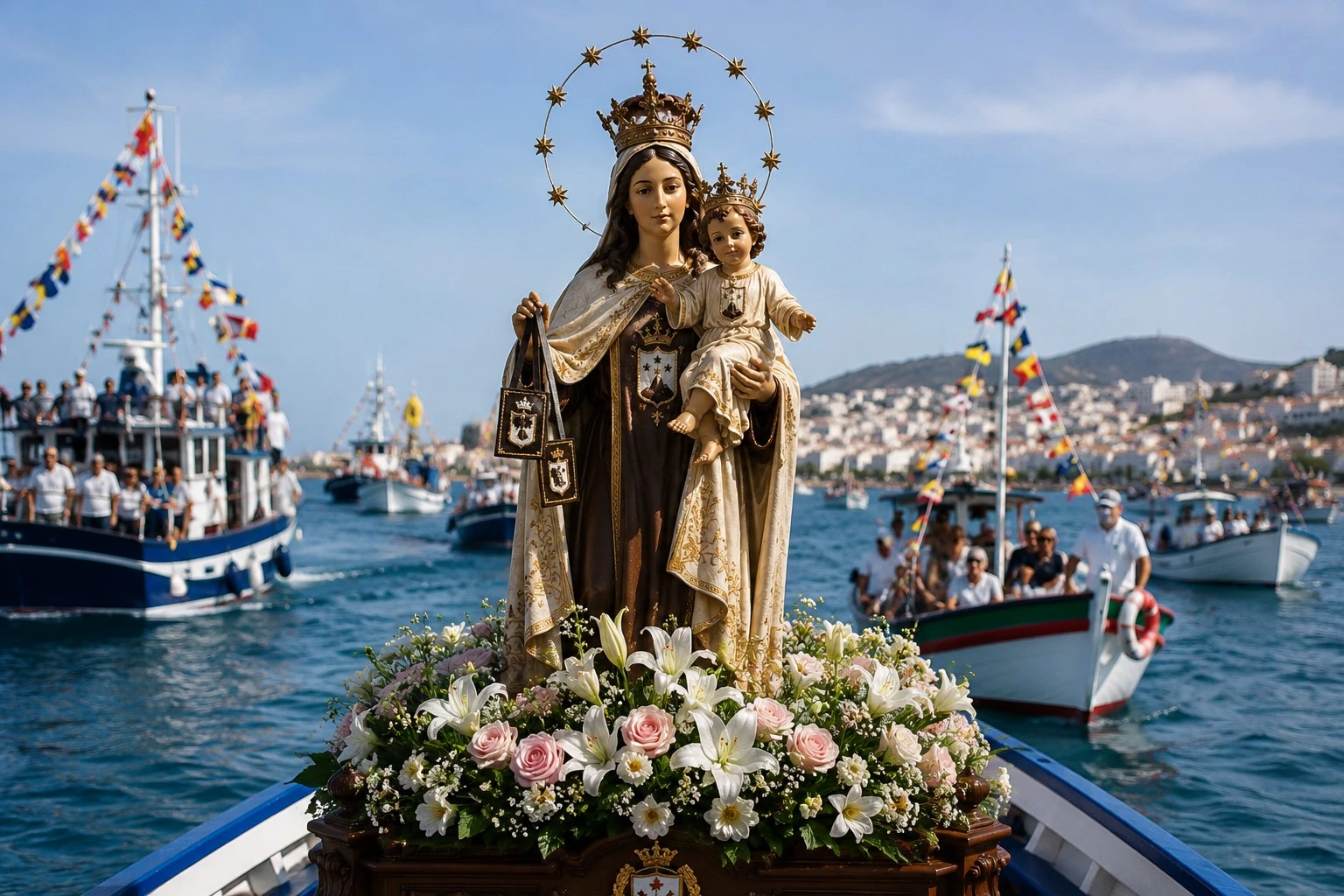
For this reason, every July 16, many coastal towns celebrate maritime processions in her honor, carrying her image across the sea on beautifully decorated boats. These celebrations are a beautiful expression of faith and gratitude that keeps alive a tradition deeply rooted in Christian history and culture.

Why Is the Feast of Our Lady of Mount Carmel Celebrated on July 16?

The feast of the Virgin of Mount Carmel is celebrated every July 16 in remembrance of a very important event in Carmelite tradition. According to popular devotion, it was on this date that the Virgin Mary appeared to Saint Simon Stock, Superior of the Carmelite Order in the 13th century, presenting him with the Brown Scapular of Mount Carmel as a sign of her protection and maternal care.

This event deeply shaped Carmelite spirituality and contributed to the spread of devotion to Our Lady of Mount Carmel throughout Europe and later across the rest of the world. Over the centuries, July 16 became established as the day dedicated to honoring the Virgin under this Marian title.

The Church celebrates this feast by remembering Mary's role as mother, protector, and intercessor for Christians. For millions of faithful, the Feast of Our Lady of Mount Carmel is a special opportunity to renew their trust in the Virgin, participate in the Eucharist, and publicly express their devotion to the one they consider a sure guide on the journey of faith.

Today, more than seven centuries later, July 16 remains a date of great importance for parishes, brotherhoods, religious communities, and faithful around the world who celebrate Our Lady of Mount Carmel with joy and gratitude.

How Is the Feast of Our Lady of Mount Carmel Celebrated?

The feast of the Virgin of Mount Carmel, celebrated every July 16, is one of the most important and widely observed Marian celebrations in the Catholic calendar. In many towns and cities, especially in coastal communities, this day brings together thousands of faithful who participate in various religious events in honor of Our Lady of Mount Carmel.

Celebrations often begin with novenas and preparatory devotions in the days leading up to the feast. On July 16 itself, solemn Eucharistic celebrations, floral offerings, communal prayers, and processions take place, during which the image of the Virgin is carried through the streets accompanied by the faithful, brotherhoods, and local authorities.

In many seaside towns, one of the most moving moments is the maritime procession, in which the image of the Virgin is placed aboard a vessel and carried out to sea, accompanied by numerous decorated boats. This tradition symbolizes the protection that Our Lady of Mount Carmel offers to sailors, fishermen, and all those whose lives depend on the sea.

Beyond local traditions, this feast day is a special opportunity to renew devotion to Mary, give thanks for her protection, and entrust personal, family, and community needs to her intercession.

Celebrate Devotion to the Virgin Mary

The feast of the Virgin of Mount Carmel reminds us of the importance of trusting in Mary's maternal protection and keeping alive a devotion that has accompanied generations of Christians throughout the centuries. Her example of faith, humility, and self-giving continues to inspire millions of faithful around the world.

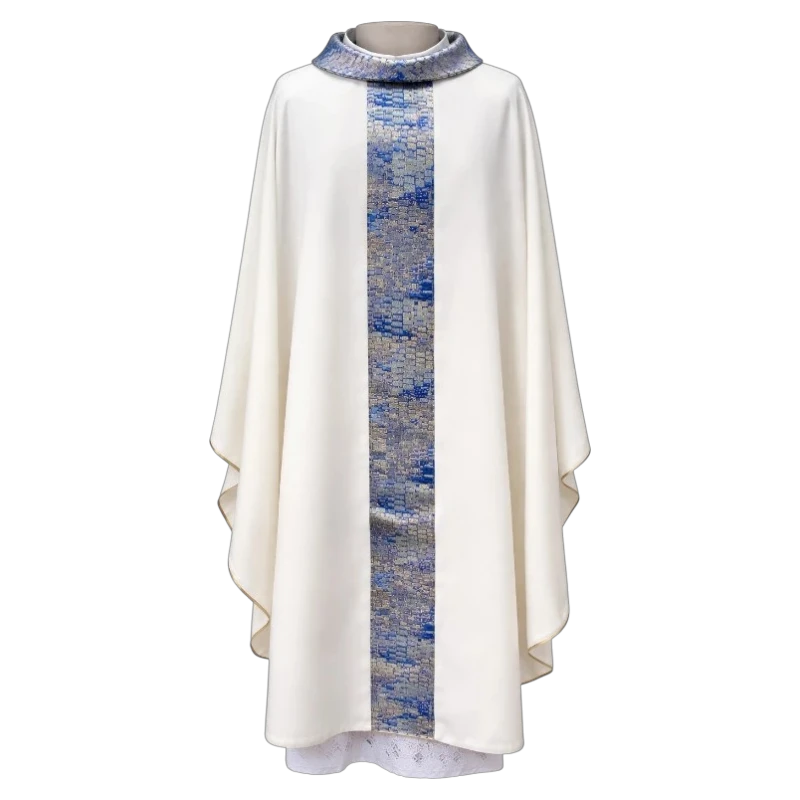
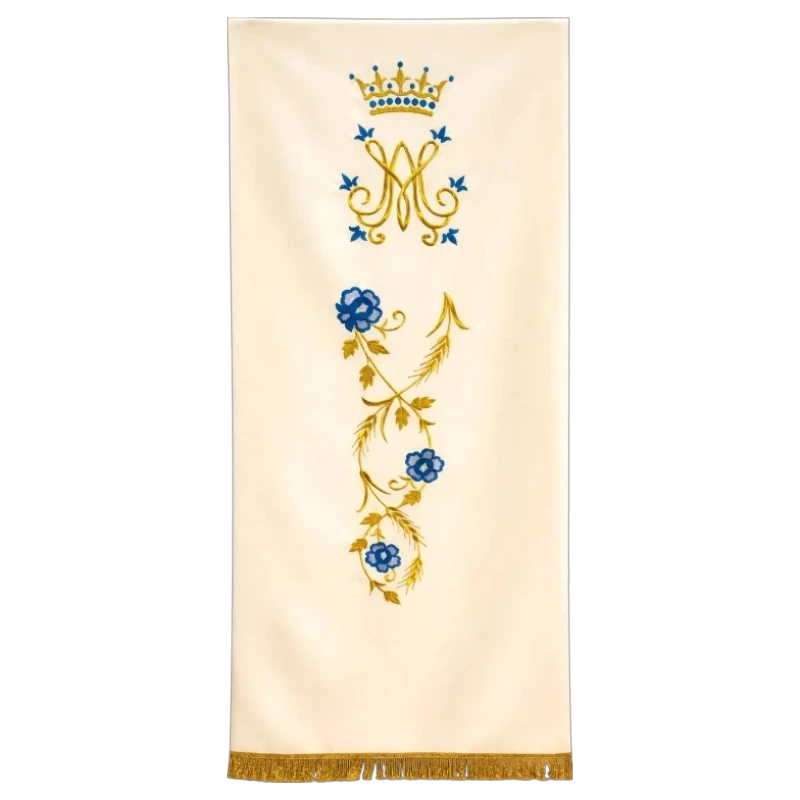
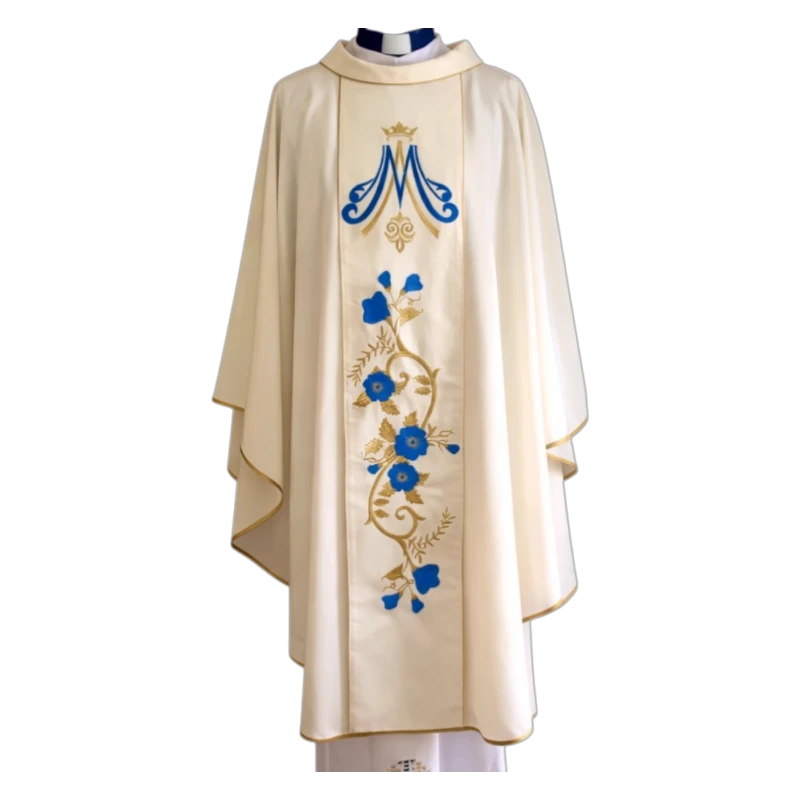
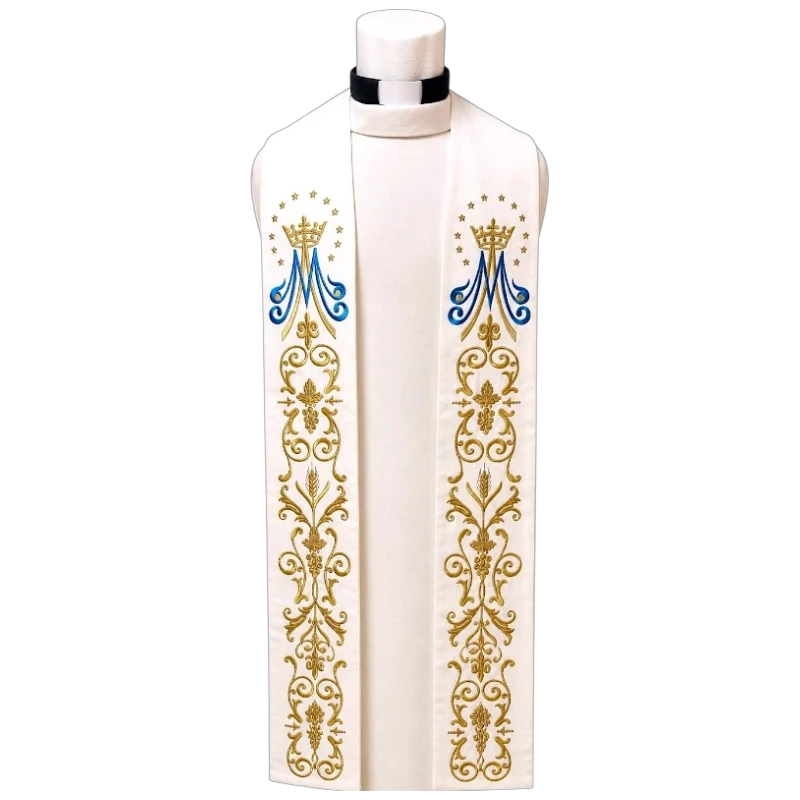
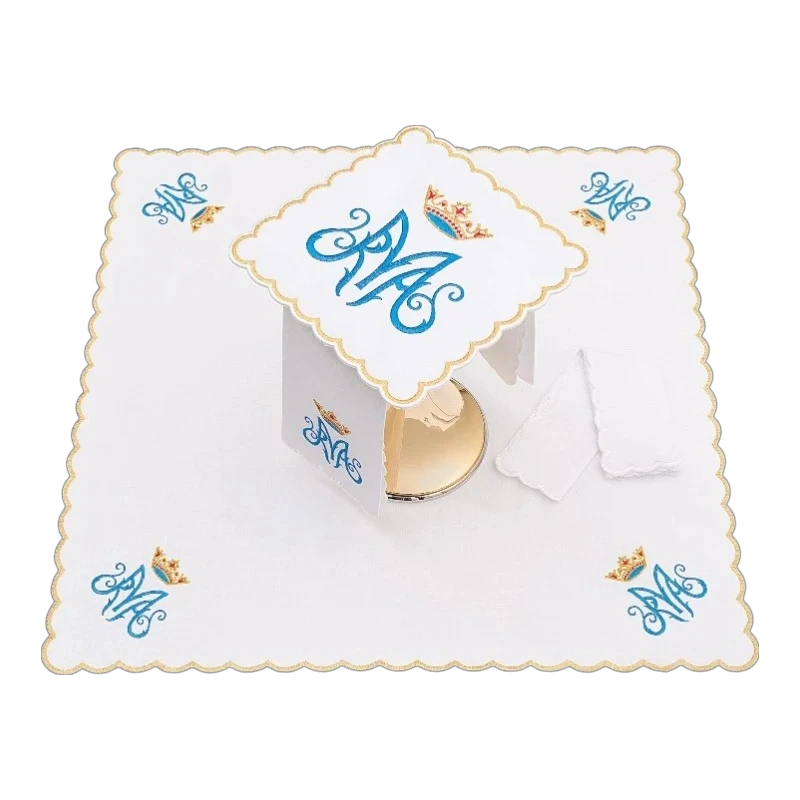
At Karelia Arte Sacra, we want to help you live and celebrate this tradition with a carefully curated selection of ornaments dedicated to the Blessed Virgin Mary. Discover our collection of Marian chasubles, Marian stoles, copes, and other liturgical vestments, designed to enhance celebrations in honor of Mary with the beauty and solemnity they deserve.

We invite you to explore our collection of Marian Vestments and find the ideal pieces for parishes, religious communities, brotherhoods, and celebrations dedicated to the Virgin Mary.

Product added to wishlist